Do All Fathers Deserve to Be Celebrated? The Difficult Truth About Father’s Day
A Coach Cally Reflection on Fatherhood, Father Wounds, and the Men Who Shaped Our Lives

Father’s Day is approaching.
Soon, social media feeds will be filled with tributes. Families will gather around dining tables. Children will post old photographs and heartfelt messages. Restaurants will welcome families celebrating the men who helped shape their lives.
Yet for many people, Father’s Day is not a simple celebration.
Some will celebrate fathers who loved, protected, guided, and sacrificed for them. Others will quietly wrestle with disappointment, grief, anger, or unanswered questions. Some will celebrate a father figure rather than a biological father. Others will spend the day remembering someone who is no longer here.
Adding another layer to the conversation, consumer spending data suggests that Mother’s Day receives significantly greater commercial attention than Father’s Day.
According to the National Retail Federation (2025), consumers were expected to spend approximately $34.1 billion on Mother’s Day compared to $24.0 billion on Father’s Day. Participation rates also tend to be higher for Mother’s Day celebrations.
This is not a competition between mothers and fathers. Both play critical and irreplaceable roles in healthy families.
However, these numbers invite an important question:
Have we overlooked the quiet contributions of fathers?
The Silent Pillars of the Family

Across many cultures, fathers have traditionally been viewed as providers, protectors, and guides.
Many fathers spend decades carrying responsibilities that few people fully see. They worry about finances, security, education, housing, emergencies, and the future of their families. They often absorb stress privately so others can feel safe.
Many fathers grew up believing that their role was simple:
Provide.
Protect.
Persevere.
They may not always express their love through words. Instead, they express it through long work hours, sacrifices, repairs, difficult decisions, and showing up when their family needs them most.
Many fathers spend their lives carrying responsibilities their families never fully see.
Why Mother’s Day Often Receives More Attention
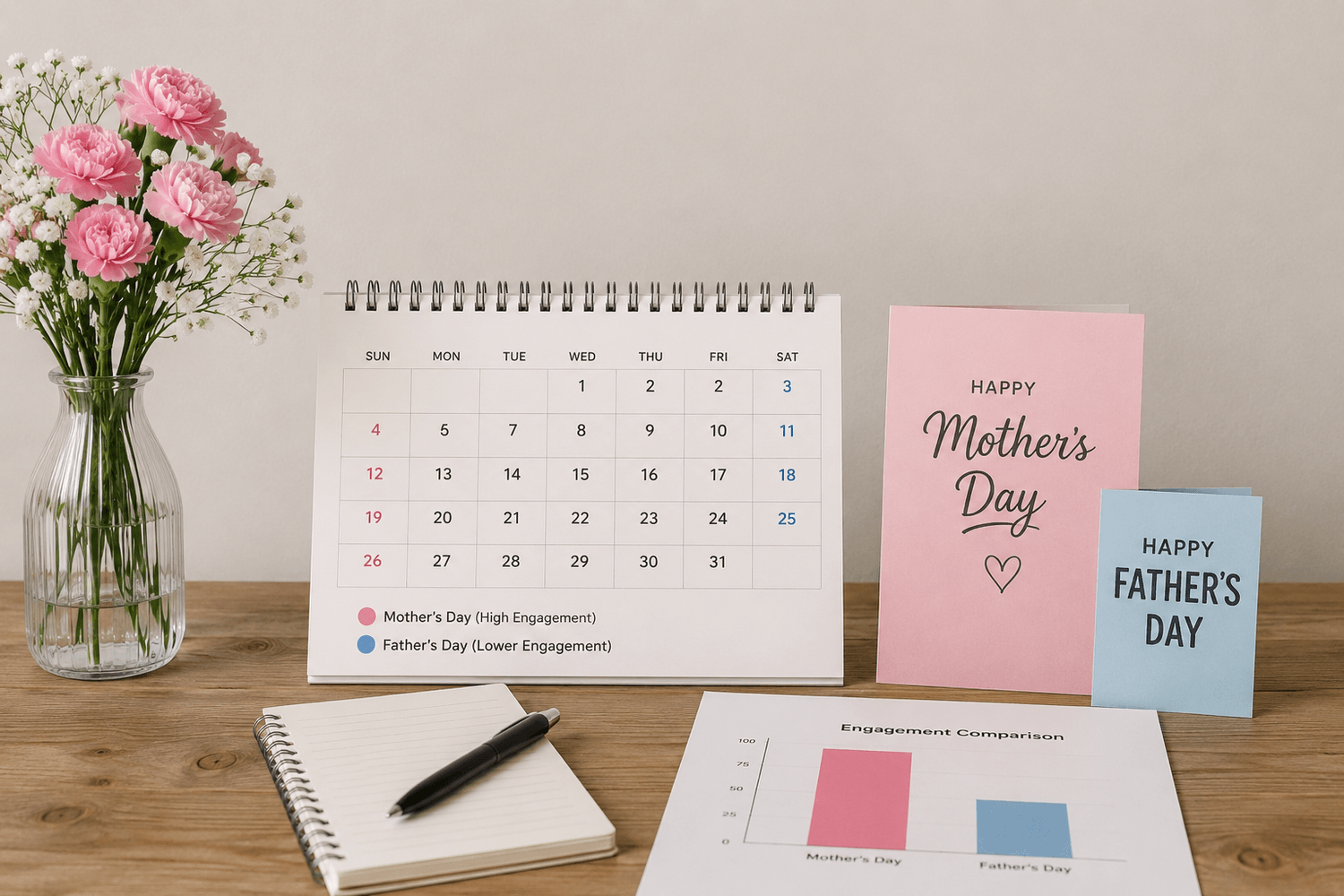
Research consistently shows that Mother's Day generates greater consumer spending and participation than Father's Day. According to the National Retail Federation (2025), consumers were expected to spend approximately $34.1 billion on Mother's Day compared to $24.0 billion on Father's Day. Additionally, consumer participation rates tend to be higher for Mother's Day celebrations than Father's Day celebrations (Numerator, 2025; Medill Spiegel Research Center, 2025).
Experts suggest several reasons. Mothers are often perceived as primary emotional caregivers and are more frequently associated with nurturing and emotional support within families (Numerator, 2025). Traditional gifting practices for mothers also tend to include flowers, jewelry, dining experiences, and luxury gifts, while Father's Day gifts are more commonly practical and lower-cost purchases (National Retail Federation, 2025).
Another factor may be visibility. Society often celebrates nurturing and emotional caregiving more publicly than protection, provision, and sacrifice. Consumer trend analyses across multiple markets have similarly found that spending and engagement levels tend to be higher for Mother's Day than Father's Day celebrations (The Drum, 2025).
This does not mean fathers are loved less.
It may simply mean that many fathers are loved more quietly than they are celebrated.
The Fathers We Celebrate

Many people are blessed with fathers who embody strength, integrity, humility, and unconditional love.
These fathers taught life lessons not only through words but through example.
They demonstrated perseverance during difficult times. They worked hard when nobody was watching. They chose responsibility over convenience.
Often, children do not fully appreciate these sacrifices until adulthood.
As we grow older, we begin to recognize the countless moments when our fathers quietly chose our needs above their own.
For these fathers, Father’s Day becomes a meaningful opportunity to say thank you.
What If Your Father Hurt You?

Yet not every Father’s Day story is a happy one.
Some fathers were absent.
Some abandoned their families.
Some struggled with addiction, gambling, infidelity, abuse, or emotional neglect.
Some left wounds that continue to affect their children decades later.
If this is your story, it is important to acknowledge something:
Honoring fatherhood does not require excusing harmful behavior.
Forgiveness is a personal journey, not an obligation.
You do not have to deny your pain in order to recognize the complexity of another human being.
Emotional Intelligence teaches us that healing begins with honest acknowledgment of our emotions rather than pretending they do not exist.
The Fathers We Grieve

Some people spend Father’s Day grieving not only the fathers they lost but also the fathers they never truly had.
There is grief in losing a father to death.
There is also grief in losing a father to addiction, absence, emotional unavailability, or broken promises.
Many adults carry a quiet sadness for the relationship they wished could have existed.
This grief deserves compassion.
Healing does not always mean reconciliation.
Sometimes healing means accepting reality and choosing how to move forward.
What NLP Reveals About Father Wounds and Father Gratitude

As an NLP Coach, I often encounter beliefs formed through father-child experiences.
Old Belief: My father failed me, therefore I am damaged.
New Belief: My father’s choices influenced me, but they do not define my future.
Old Belief: If I forgive, I excuse what happened.
New Belief: Forgiveness and accountability can coexist.
Old Belief: I am destined to repeat the same patterns.
New Belief: I can choose a different legacy.
NLP reminds us that while we cannot change the past, we can change the meaning we assign to it and the future we create because of it.
The Emotional Intelligence Perspective

Emotional Intelligence encourages us to see fathers as complete human beings rather than one-dimensional roles.
Many fathers were raised in generations where emotional expression was discouraged. Some learned to express love through action rather than conversation.
Sometimes love is spoken.
Sometimes love is sacrificed.
Sometimes a father’s love appears in the form of protection, provision, discipline, guidance, and showing up consistently over time.
Recognizing these differences can help us better understand the men who shaped our lives.
What Father’s Day Can Mean for Everyone
Father’s Day does not have to mean the same thing for everyone.
For some, it is a day of gratitude.
For others, it is a day of forgiveness.
For some, it is a day of remembrance.
For others, it is a day of healing.
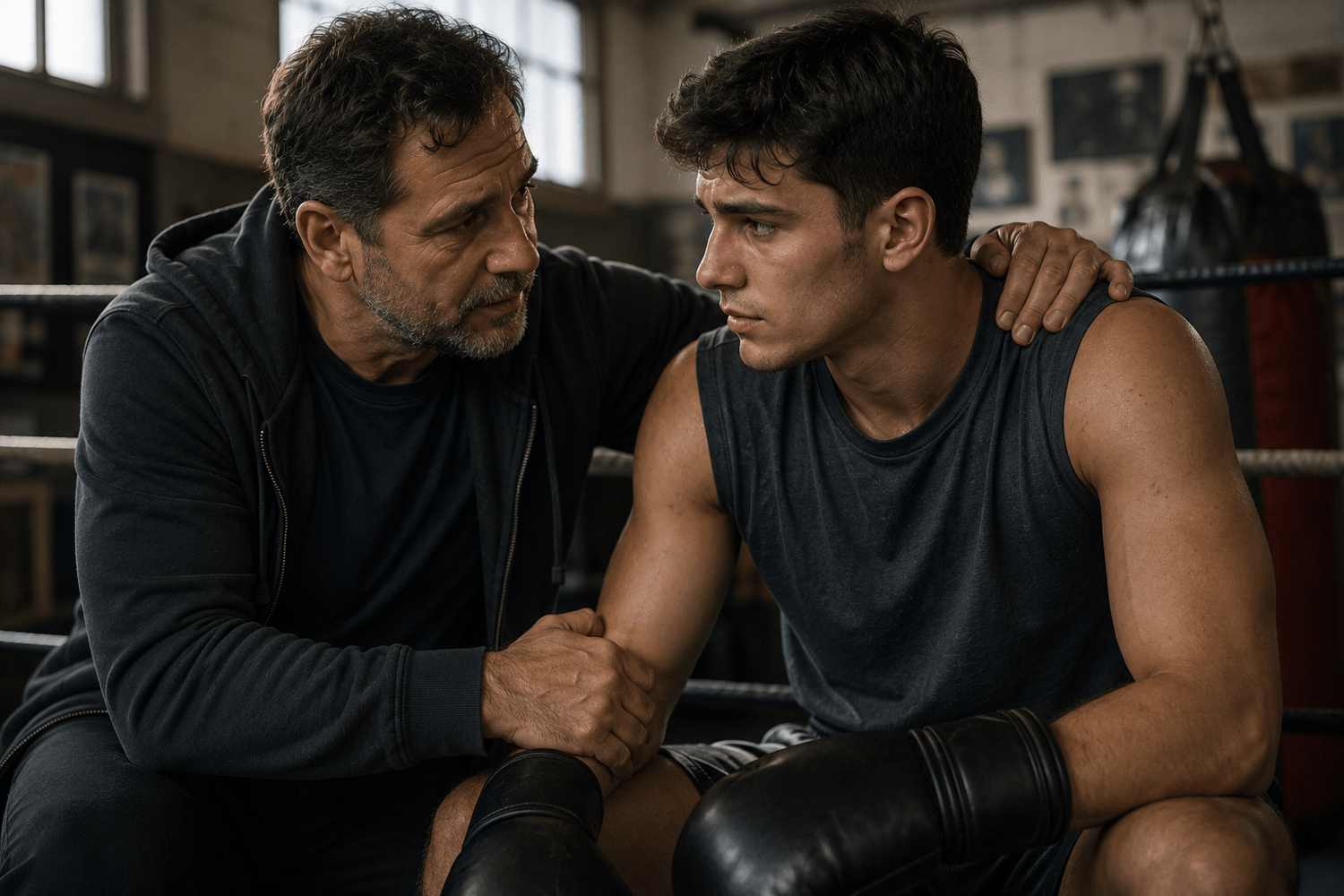
It may also be a day to honor grandfathers, stepfathers, mentors, coaches, teachers, pastors, and father figures.
Sometimes the man who shaped your life is not the man whose DNA you carry.
The greatest tragedy is not that many fathers are under-celebrated.
It is that many fathers are unseen.
Reflection Corner: What Does Father’s Day Mean to You?

Father’s Day does not have to mean the same thing for everyone.
For some, it is a day of gratitude.
For others, it is a day of forgiveness.
For some, it is a day of remembrance.
For others, it is a day of healing.
It may also be a day to honor grandfathers, stepfathers, mentors, coaches, teachers, pastors, and father figures.
Sometimes the man who shaped your life is not the man whose DNA you carry.
The greatest tragedy is not that many fathers are under-celebrated.
It is that many fathers are unseen.
Work with Coach Cally

Whether you are seeking to strengthen your relationship with your father, heal from father wounds, navigate forgiveness, establish healthy boundaries, or break generational patterns, coaching can help.
Through NLP Coaching and Emotional Intelligence Coaching, you can develop deeper self-awareness, healthier beliefs, emotional resilience, and greater clarity about the legacy you want to create.
Remember:
Some fathers deserve our celebration.
Some fathers require our forgiveness.
Some fathers remain a source of pain.
Yet Father’s Day offers us an opportunity to reflect on the role fatherhood has played in shaping our lives and the legacy we choose to leave behind.
✨ Ready to take the next step?
Discovery Call
Book a Discovery Call
1:1 Coaching Session
Book a Personalized Coaching Experience
References (APA 7th Edition)
Medill Spiegel Research Center. (2025). Fathers Day consumer participation and spending analysis. https://spiegel.medill.northwestern.edu
National Retail Federation. (2025). Father's Day consumer spending trends. https://nrf.com/research-insights/holiday-data-and-trends/fathers-day
National Retail Federation. (2025). Mother's Day consumer spending trends. https://nrf.com/research-insights/holiday-data-and-trends/mothers-day
Numerator. (2025). 88% of consumers plan to celebrate Mother's Day; 79% plan to celebrate Father's Day. https://www.numerator.com
The Drum. (2025). Rakuten shopping analysis on Mother's Day and Father's Day spending trends. https://www.thedrum.com

HEY, I’M COACH CALLY
I'm a Management Consultant, Executive Coach & Corporate Trainer with 30+ years of experience driving transformation across industries. Certified Emotional Intelligence Practitioner (2016, Genos International – Australia) and NLP Practitioner (2019, American Union of NLP). I design customized, results-driven interventions that strengthen leadership, align teams, and elevate performance—turning insight into measurable impact.




COPYRIGHTS 2025 | COACHCALLYCONSULTANCY.COM